
Due to the current global instability, immigration to Europe has become a widespread trend. Many countries are already experiencing high levels of migration, so choosing the right place to live requires careful consideration. It is important to take into account the availability and cost of real estate, employment opportunities, prospects for children’s development, the specifics of obtaining a residence permit, and the timelines and conditions for acquiring citizenship. Cultural characteristics and the complexity of learning the local language in the chosen country are also significant factors.
Special attention should be paid to legalizing one’s status during the immigration process. Properly obtaining a residence permit on legal grounds helps avoid problems in the future when applying for permanent residency or citizenship. The optimal approach to preparing and submitting documents is to seek assistance from migration lawyers.
Our company specializes in obtaining European passports through simplified procedures. Book a consultation, and our legal experts will inform you about your eligibility for EU citizenship.
Why Europe Attracts People from Around the World
For many, immigration to Europe is a chance to improve their quality of life. European countries provide strong social guarantees and prioritize the well-being of their residents. Through the EU, each member state receives financial support, which significantly enhances the standard of living.
Studying at European universities provides access to high-quality education and the possibility of obtaining a residence permit—the first step toward citizenship. The EU also fosters startup development through the Startup Europe initiative, created to support and promote digital innovation. Migrants from Russia and other CIS countries are drawn to Europe by its geographic proximity and shared cultural elements — particularly in countries like Poland, Bulgaria, and the Czech Republic.
How to Start the Immigration Process to Europe
Successful immigration begins with planning and preparing for your future move. It is important to research the procedures for obtaining an entry visa, documents confirming the grounds for your stay, as well as the processes for acquiring a residence permit, permanent residency, and citizenship. You should also evaluate the country you wish to move to. Below are a few examples:
- Poland – a developed economy with a GDP slightly below the EU average (€30,100 per capita). The state provides social support to both citizens and migrants residing in Poland.
- Germany – the third-largest economy in the world, with a low unemployment rate. It attracts highly qualified foreign professionals and promotes digitalization of the economy.
- Sweden – a country with a high standard of living and a strong economy focused on innovation and modern technologies. It has a well-developed education and healthcare system.
- Bulgaria – a country with a growing economy, low taxes (corporate tax at 10%), and an affordable cost of living, making it attractive for business and immigration.
Regardless of your chosen destination in Europe, you will need a long-term visa for entry and residence.

Choosing a Visa Type
- For employment, a work visa is required. It is issued on the basis of an employment contract with a local employer.
- For studying at European universities, applicants must obtain a student visa based on an official letter of admission from the educational institution.
- An entrepreneurial visa is designed for business owners who are developing a business or making investments in Europe. It is issued based on a business plan and investment documents.
Step-by-Step Visa Application Process
Processing Times and Potential Challenges
The standard processing time for a type D visa application is approximately 6–15 days. This period may be extended to 30–45 days if additional information is required. A D visa for employment, education, or entrepreneurship is issued for one year and can be renewed if the original purpose remains valid.
When submitting your visa application, it is essential to fill out the form accurately and provide correct information. Your passport and other documents must comply with legal requirements and not be expired. You must clearly state the true purpose of your trip and be ready to support it with relevant documentation.
According to EU Regulation No. 810/2009, during a migrant’s first visit to a visa center, fingerprint scanning is mandatory. For the next 59 months, these prints will be retrieved from the database for future applications. After this period, new biometric data may be collected.
Romania as a Starting Point for Immigration to Europe
Romania is considered one of the most accessible EU countries for relocation due to its simple requirements for obtaining a residence permit through business, education, or employment with minimal investment. The country offers a low cost of living — approximately €600 per person per month, excluding rent. Descendants of Romanian citizens have the opportunity to acquire citizenship quickly and under simplified conditions. Holding a Romanian passport allows you to move and work freely across the EU.
How to Obtain a Visa to Romania
To apply for a work visa, you must first obtain a work permit from one of the regional offices of the General Inspectorate for Immigration. The permit is issued based on an employment contract. For entrepreneurial activity, a special technical endorsement must be obtained from the Romanian Agency for Investments and Foreign Trade. Students are eligible for a visa based on an official letter of admission from an educational institution in Romania.
The visa application must include the following documents:
- one of the documents mentioned above, depending on your situation;
- a valid passport to confirm your identity;
- proof of sufficient financial means, amounting to at least one monthly minimum wage (€814 as of 01.01.2025), multiplied by the total duration of the visa;
- a certificate of no criminal record;
- health insurance policy;
- proof of accommodation in Romania via a rental contract or ownership deed.
The application processing time is 30 days. The visa is valid for 90 days and allows for multiple entries.
Start the EU citizenship process right now
Services of experienced immigration lawyers
 Leave a request and get a detailed consultation
Life in Romania: What You Need to Know Before Moving
Life in Romania combines European comfort with Eastern European traditions. Major cities such as Bucharest, Cluj-Napoca, and Timișoara offer well-developed infrastructure, affordable housing, and moderate prices. Romanian is the official language, but many people also speak English. The culture is based on family values, hospitality, and Orthodox traditions, while local cuisine reflects a blend of Balkan, Turkish, and Hungarian influences.
The cost of living in Romania is significantly lower than in Western European countries. An average monthly salary of €905 is enough to cover rent for an apartment costing around €315 and other basic expenses for one person. Migrants without language skills can initially apply for entry-level jobs such as warehouse worker, general laborer, or kitchen assistant, earning minimum wage. Knowing Romanian or English and having your diploma recognized can help you access better-paying positions.
Having Romanian roots or territorial affiliation can serve as an additional advantage for immigration, allowing you to acquire citizenship without meeting strict requirements. Knowledge of the Romanian language and culture will also be a significant benefit when relocating, helping you find a job and integrate more quickly into society.
Our legal experts will guide you through the process of obtaining a Romanian passport based on your heritage under the repatriation program. To begin, schedule a free consultation.
Which European Countries Are Easiest for Immigration
Choosing a country for immigration can be complicated by the specific legalization procedures required by foreign states. However, some European countries offer more flexible and accessible immigration programs worth considering:
- Romania – fast-track residence permit through employment, education, or business. A simplified citizenship program is available for descendants of those who once lived in Romanian territories.
- Poland – allows applicants to obtain citizenship through the Karta Polaka (Polish Card), which can be granted based on Polish ancestry and basic knowledge of the language, culture, and traditions.
- Bulgaria – offers a simplified residence permit through business registration, investment, or property purchase. A special citizenship procedure is available for ethnic Bulgarians.
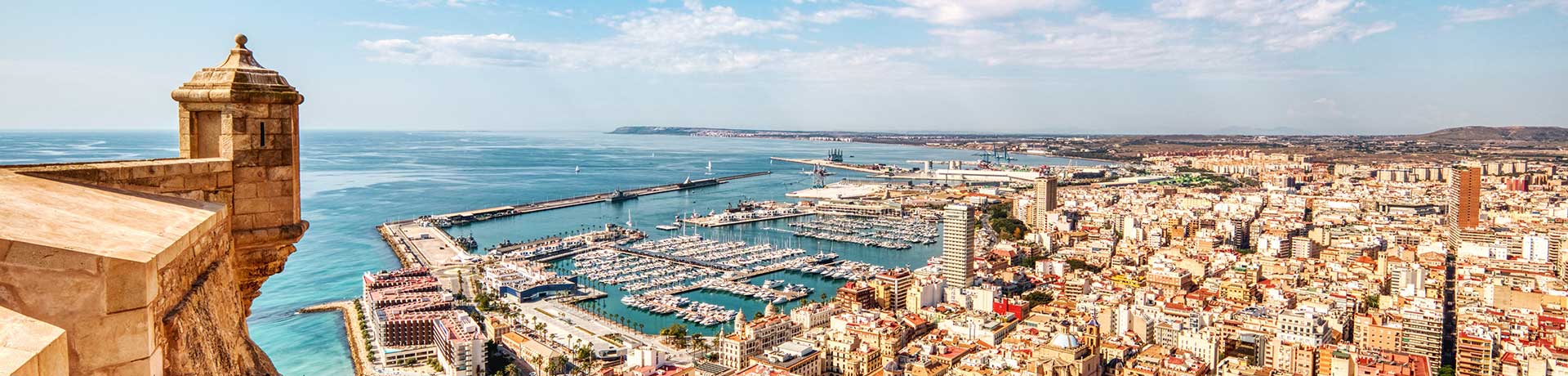
- Spain – grants residence permits based on employment, education, or business activity. After 5 years of residence, migrants can apply for permanent residency, and after another 5 years — for citizenship.
What to Consider When Immigrating to Europe
Before immigrating to Europe, you should prepare a financial cushion of €5,000 to €15,000 depending on the country and relocation conditions. Before submitting your documents, ensure that your application fully complies with the consulate’s requirements, including certified translations and notarization.
To adapt more quickly, it is advisable to learn the language, local laws, and cultural traditions, and to establish connections with both immigrant communities and local residents. Strong social integration will help you obtain residence and citizenship more quickly. For successful employment, it is recommended to validate your academic degree and professional qualifications, and familiarize yourself with the tax system.
Academic degree recognition — known as nostrification — does not occur automatically. In accordance with the principles of the Lisbon Recognition Convention, migrants must contact the ENIC-NARIC center in the EU country they plan to relocate to and submit a request for the recognition procedure.
Immigrating to Europe Through Employment: How to Find Job Vacancies and Obtain a Work Visa
The European labor market is open to foreign professionals, particularly in fields such as IT, engineering, healthcare, construction, and elderly care. Many European countries actively attract skilled workers by offering high salaries, social benefits, and the possibility of obtaining a residence permit. Proficiency in English or the local language, along with digital skills, significantly increases the chances of employment.
To search for jobs, you can use recruitment agencies or specialized job platforms, such as:
- Poland – pracuj.pl
- Czech Republic – prace.cz
- Germany – arbeitsagentur.de
Additionally, the official European job portal EURES provides listings for vacancies across all EU member states.
Various types of work visas are available within the EU, issued based on different legal grounds. The most common ones include:
- National visa D – issued on the basis of an employment contract between the worker and the employer, suitable for long-term employment.
- EU Blue Card for highly qualified professionals – valid for two years, issued to individuals with a university degree and at least 3 years of professional experience. It allows for residence and employment in the EU under simplified conditions for obtaining permanent residency.
- Seasonal work visa – a short-term permit for employment in agriculture, tourism, or construction, issued for up to 9 months based on a work contract.
- Digital nomad visa – intended for professionals working remotely for foreign companies. The visa may also be issued to family members of the primary applicant. Currently available in countries such as Estonia, Portugal, Spain, Hungary, and Malta.
Education in Europe: Studying as a Pathway to Immigration
Studying in Europe is one of the most reliable ways to immigrate, as students are granted a student residence permit that allows them to live legally, work part-time, and integrate into society. It is also an excellent opportunity to fully learn the local language. Choosing to study in English opens up even more employment opportunities, enabling graduates to apply for jobs in international companies. After graduation, many countries extend the residence permit for a period ranging from 6 months to 2 years to facilitate job search, which simplifies the process of obtaining a work permit, permanent residency, and eventually citizenship.
To shorten the timeline for acquiring a European passport, an alternative option is to check whether you are eligible for EU citizenship based on ancestry — for example, if your relatives previously lived in Romania, Bulgaria, or Poland. This path allows you to obtain a European passport and then enroll in any university in the EU as a full citizen.
Book a consultation with our legal experts and gain the opportunity to live, study, and work in any EU country while enjoying the benefits of European citizenship.
Where to Seek Help When Immigrating to Europe
During the immigration process to Europe, you may encounter various situations that require professional assessment and assistance. To familiarize yourself with the current rules for entry and residence in a foreign country, you should contact the embassy or consulate of your home country. Migration authority websites can also provide useful information. It is best to entrust the preparation of documents to legal agencies operating within the EU.
In each country — and in most major cities — there are charitable organizations that assist refugees and migrants in adapting to their new environment. Students can receive legal and administrative assistance from educational centers that actively support them in resolving various issues.
Your Rights and Responsibilities After Immigrating to Europe
After relocating to a European country, you gain not only rights but also responsibilities. In addition to complying with local laws, you will be subject to financial obligations such as paying taxes and insurance. You will also be required to regularly update your residency status and comply with immigration conditions.
- Right to Work and Access to Healthcare.
A residence permit grants the right to work and access healthcare services on the same terms as citizens of the host country. - Taxes and Social Benefits.
When earning income, you are required to pay personal income tax. Tax rates depend on the country of residence. For example: In Germany, the income tax rate is 14% on income exceeding €11,785 for single individuals and €23,750 for married couples. In Poland, a 12% income tax applies to earnings between €7,200 and €28,800. You may also be entitled to receive social benefits such as unemployment support, child care allowances, pension payments, and other forms of public assistance. - Key Steps to Integrate into a New Country.
Begin your new life by obtaining a residence permit, health insurance, and opening a bank account. Alongside legal formalities, focus on learning the language and familiarizing yourself with local laws. This will make it easier to communicate with locals, find employment, and integrate into society. Build new connections and friendships to better understand the culture and adapt more quickly.
In Summary
Immigration to Europe requires careful planning, knowledge of the laws in your chosen country, and financial stability during the initial period. It is important to establish a reliable basis for relocation in advance — whether through employment, education, or business. Successful adaptation depends on flexibility, a willingness to learn, and active participation in community life. With the right approach, immigration can open up new opportunities for career growth, education, and improved quality of life.
 Blog
Blog  Blog
Blog  Blog
Leave a request and get a detailed consultation
Blog
Leave a request and get a detailed consultation
